Bioceramics engineered for function
Ceramic materials engineered by composition, structure, surface and application.
Get to know hydroxyapatite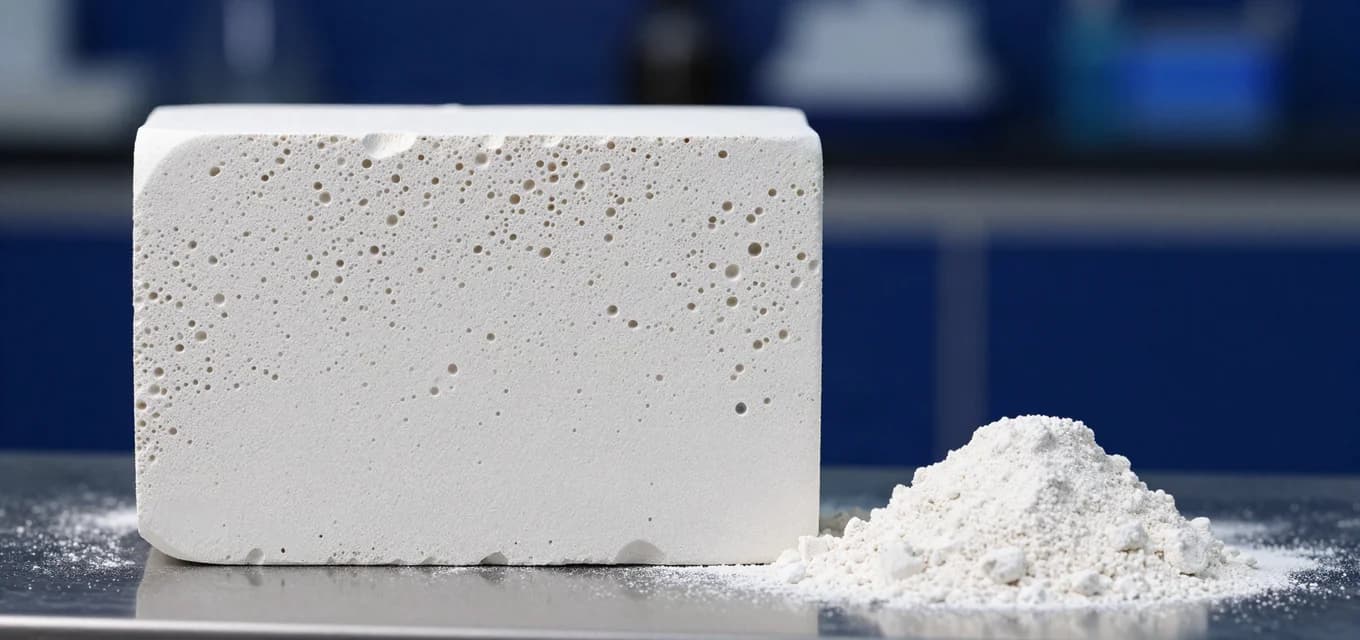
What bioceramics are
Bioceramics are inorganic ceramic materials developed for technical interaction with biological, mineral or hybrid systems. Their function depends on the combination of composition, structure, surface, processing and form of application.
Composition
Controls the material's chemical and mineral identity.
Structure
Modulates crystallinity, morphology, stability and reactivity.
Surface
Defines contact area, interaction, functionalization and compatibility.
Application
Guides the choice of material, process, form and characterization.
How a bioceramic is engineered
Each bioceramic route combines composition, processing, surface and form of presentation to answer a specific technical function.
- Dimension
- Composition
- What we define
- Ceramic type, mineral phase, purity and doping potential.
- Technical impact
- Defines chemical identity, stability, reactivity and technical potential.
- Dimension
- Processing
- What we define
- Synthesis, thermal treatment, milling, sintering and crystallinity.
- Technical impact
- Modulates structure, stability, reactivity and technical performance.
- Dimension
- Surface
- What we define
- Specific area, porosity, topography and functionalization.
- Technical impact
- Influences dispersion, compatibility and interfacial response.
- Dimension
- Form of presentation
- What we define
- Powder, granule, block, suspension, composite or custom structure.
- Technical impact
- Fits the material to the intended process, formulation or technical use.
Triplet's bioceramic platforms
From calcium phosphates to advanced ceramics, with custom routes.
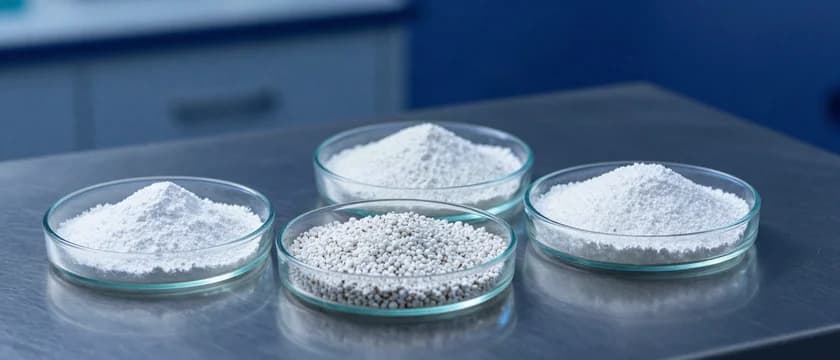
Bioactive Calcium Phosphates
Hydroxyapatite, β-TCP, biphasic and carbonated phases.
Learn more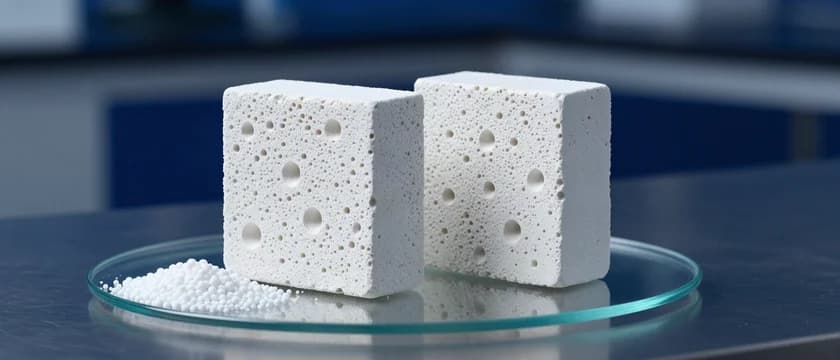 Coming soon
Engineered Bioceramics
Materials tuned through synthesis, processing and particles.
 Coming soon
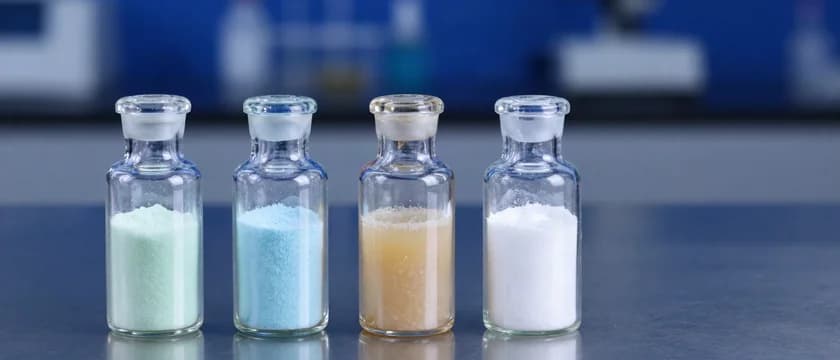
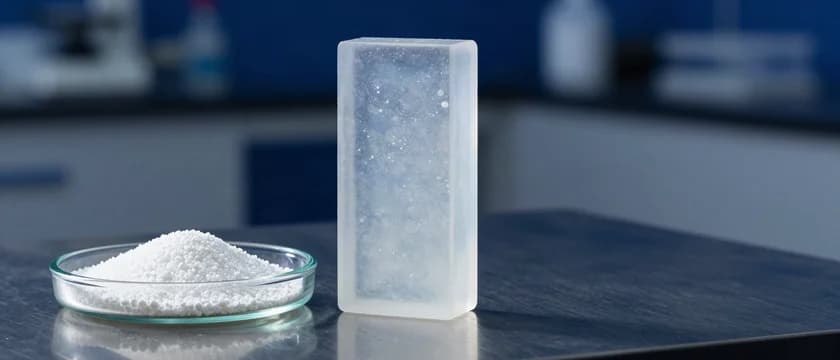
Doped and Functionalized
Ionic modification routes and surface engineering.
 Coming soon
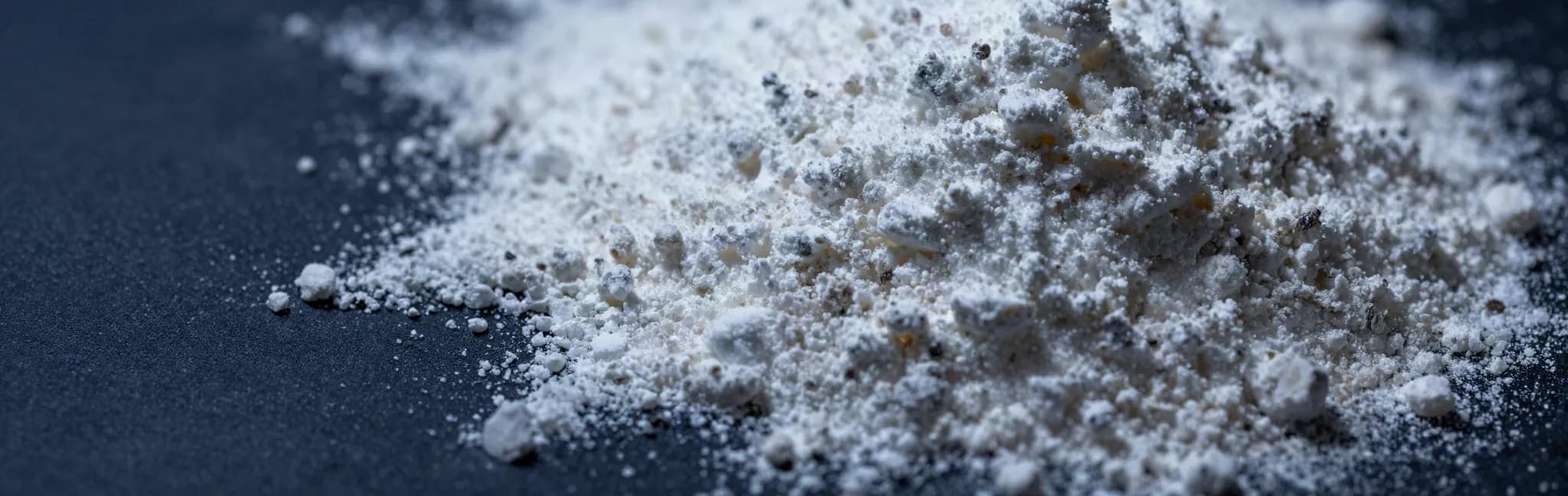
Ceramics and Hybrid Systems
Zirconia, composites and custom ceramic routes.
The reference bioceramic
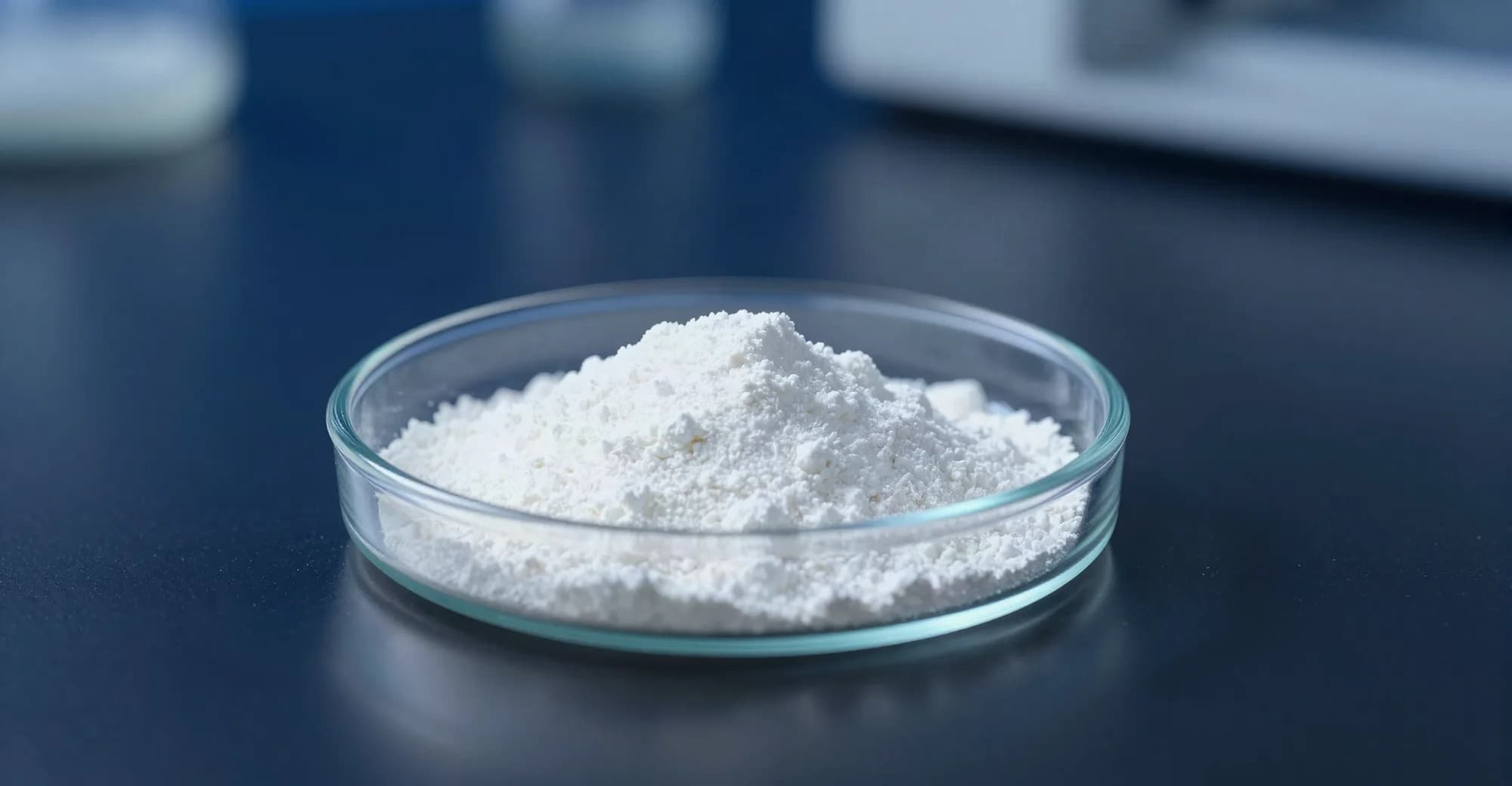
Hydroxyapatite
Synthetic calcium phosphate for technical evaluation, research, formulation and co-development.
See specificationsRelated publications
Technical content on bioceramics, calcium phosphates, characterization and development.
 Advanced materialsJun 12, 2026
What defines a technical bioceramic
How composition, synthesis route, processing and characterization sustain the quality of the material.
Read article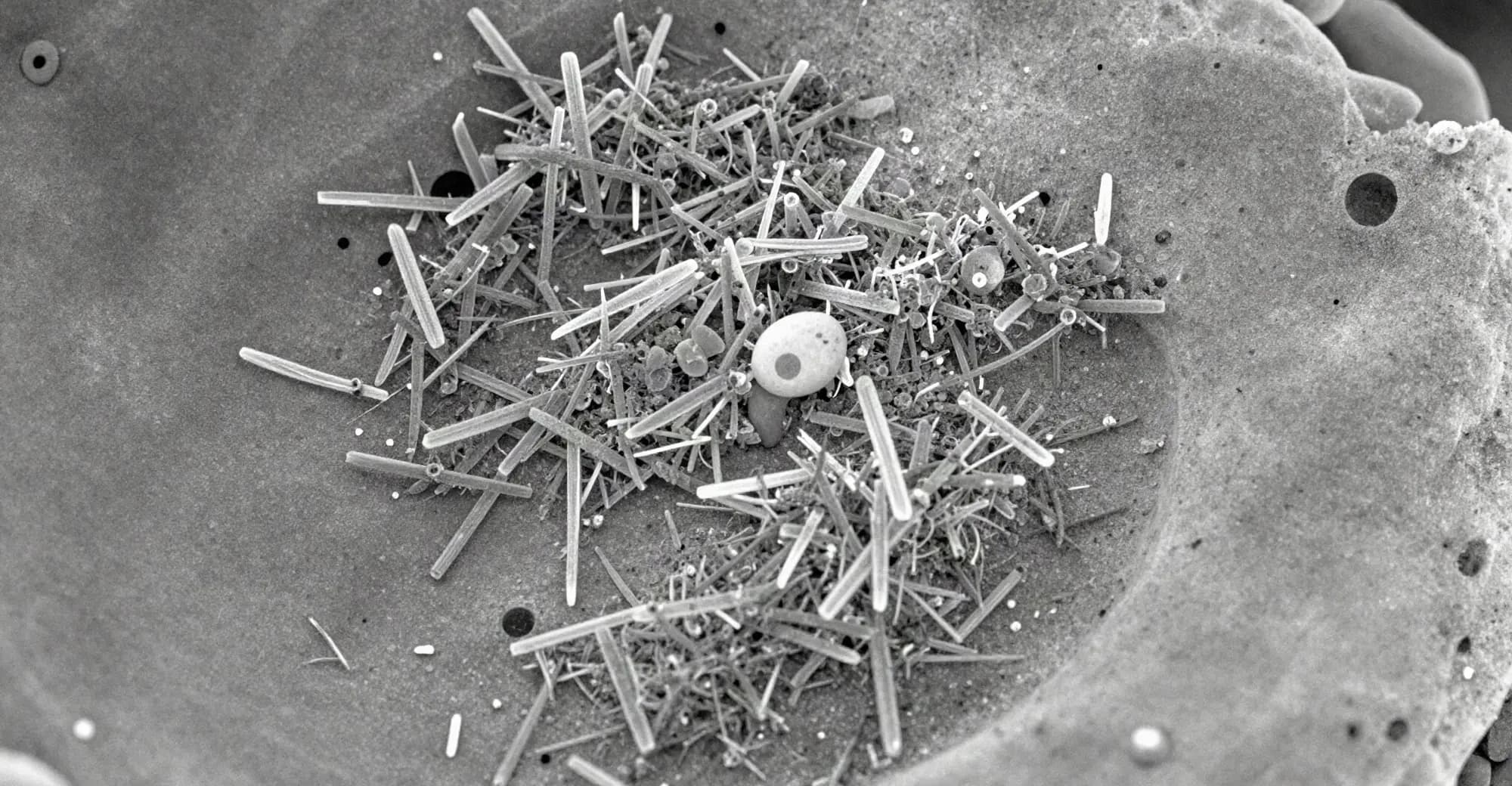 BioceramicsMay 28, 2026
Bioactivity and stability: how to balance them?
Why reactivity, stability and application depend on the engineering of the material.
Read article Advanced materialsApr 20, 2026
Functionalisation and doping: when to modify?
Strategies for tuning composition, surface, interface and compatibility.
Read article
Frequently asked questions
Quick answers on bioceramics and material choice.
What is the difference between a bioceramic and a conventional ceramic?
Bioceramics are ceramics developed for specific technical functions, with control over composition, structure, surface and processing.
Is hydroxyapatite Triplet's only bioceramic?
No. It is a reference platform, but we also assess calcium phosphates, advanced ceramics and hybrid systems.
Do you develop bioceramics for specific requirements?
Yes. We assess composition, processing, surface, form of presentation and the documentation each demand requires.
How do I choose the right bioceramic for my project?
The choice depends on the intended application, matrix, form of use, stability, reactivity, particle size and required analyses.
Do Triplet bioceramics serve both research and industry?
Yes. We work with technical inputs, samples made to specification, physicochemical characterization and co-development.
Own specification
Need a bioceramic to your own specification?
Talk to our technical team and send your need for assessment.