In bioceramics, reactivity and stability are not absolute opposites. They are parameters to be tuned according to the application.
Many projects call for a bioceramic with high interaction potential. Others aim for stability, low solubility or compatibility with a specific matrix. Bioactivity and stability should therefore not be treated as universal qualities, but as properties that depend on the application.
A more reactive bioceramic may be desirable in certain studies, yet raise stability challenges in formulations, suspensions or complex matrices. Likewise, a highly stable material may suit certain applications while showing less surface interaction.
Crystallinity and reactivity
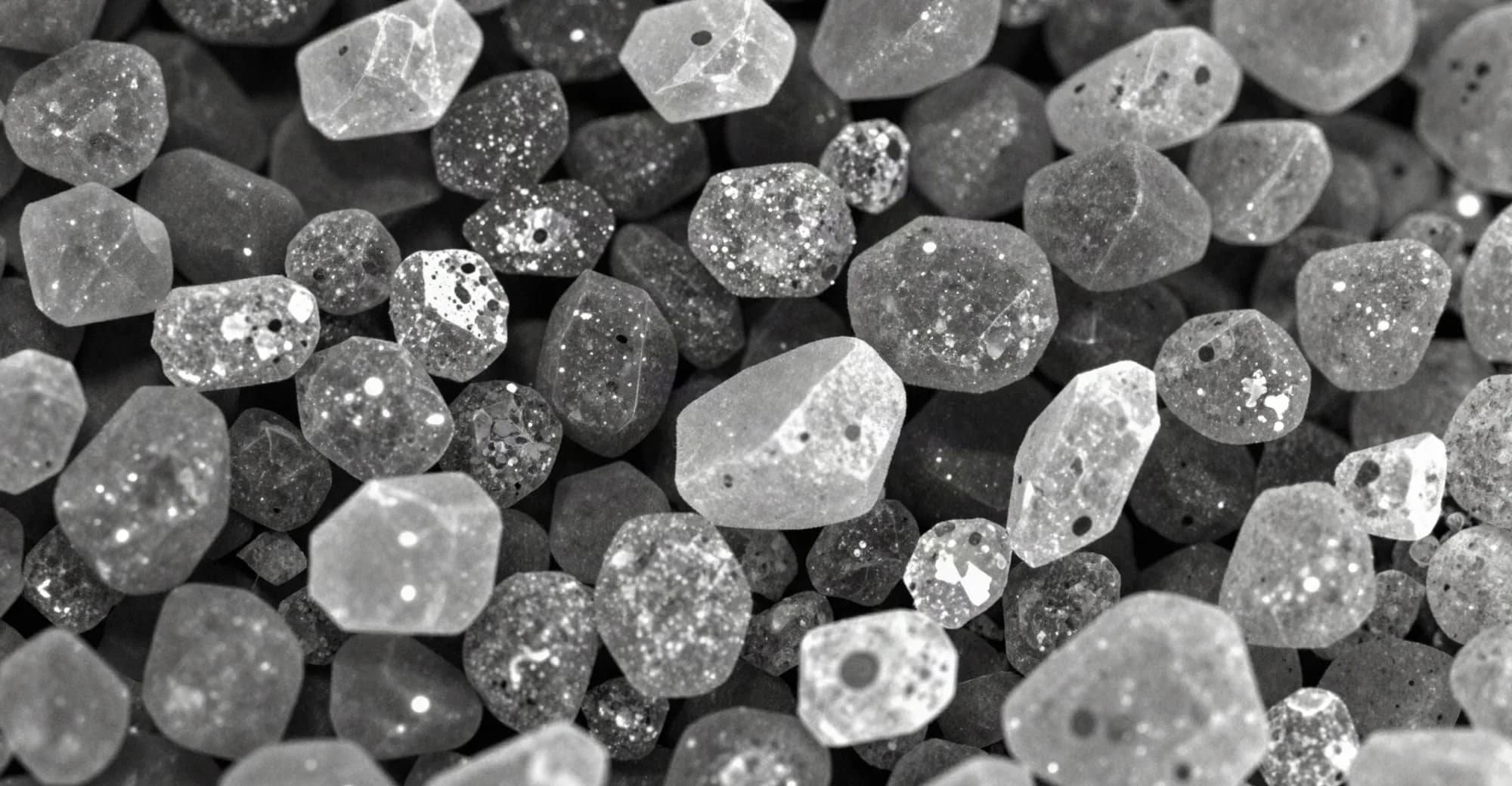
Crystallinity is one of the factors behind that balance. More crystalline materials tend to be more stable. Less crystalline phases may show greater reactivity in certain media.
Surface area
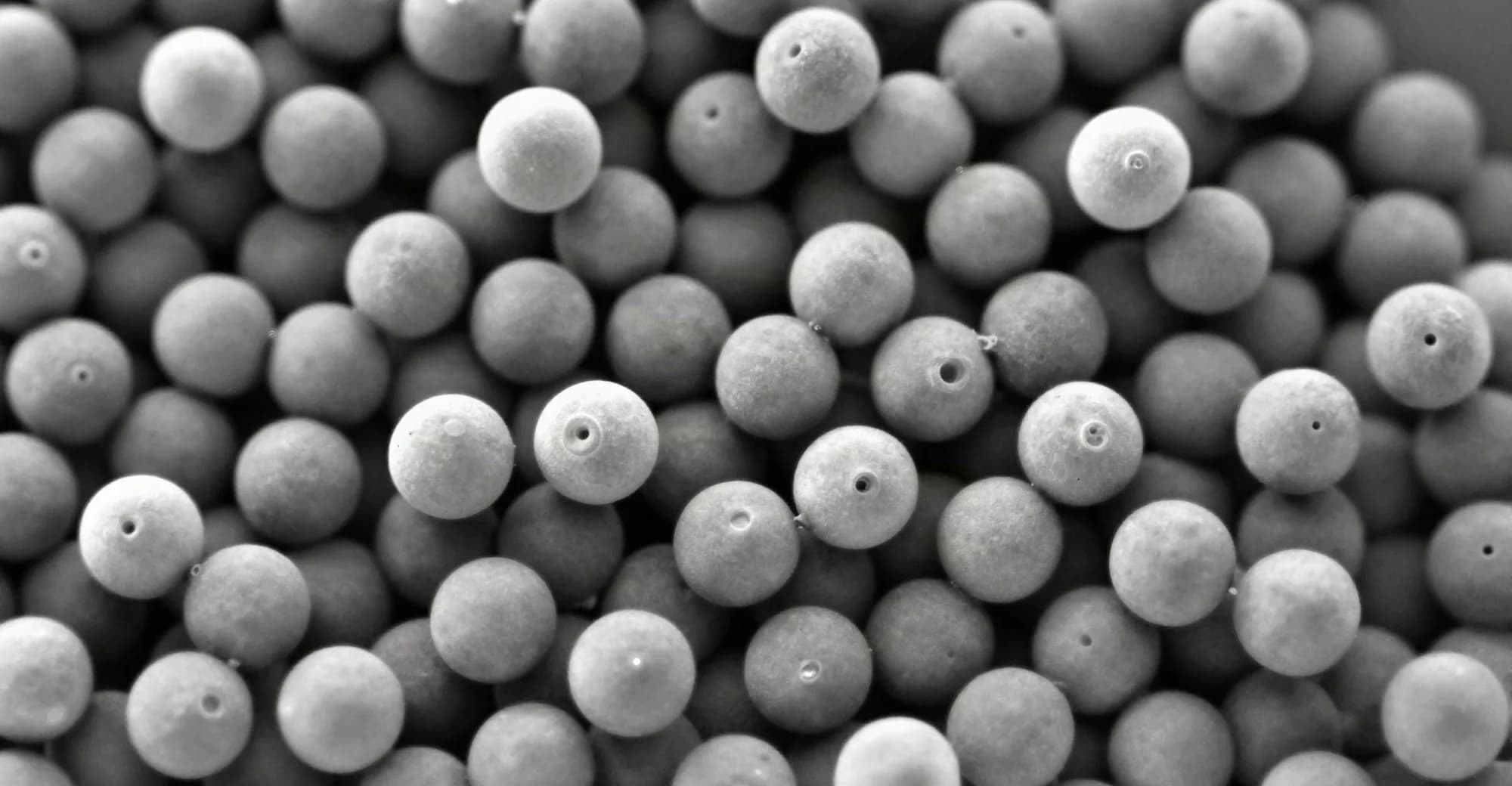
Smaller particles, or particles with greater surface area, can increase interaction with the medium, but may also demand tighter control of dispersion, agglomeration and matrix compatibility.
Composition and doping
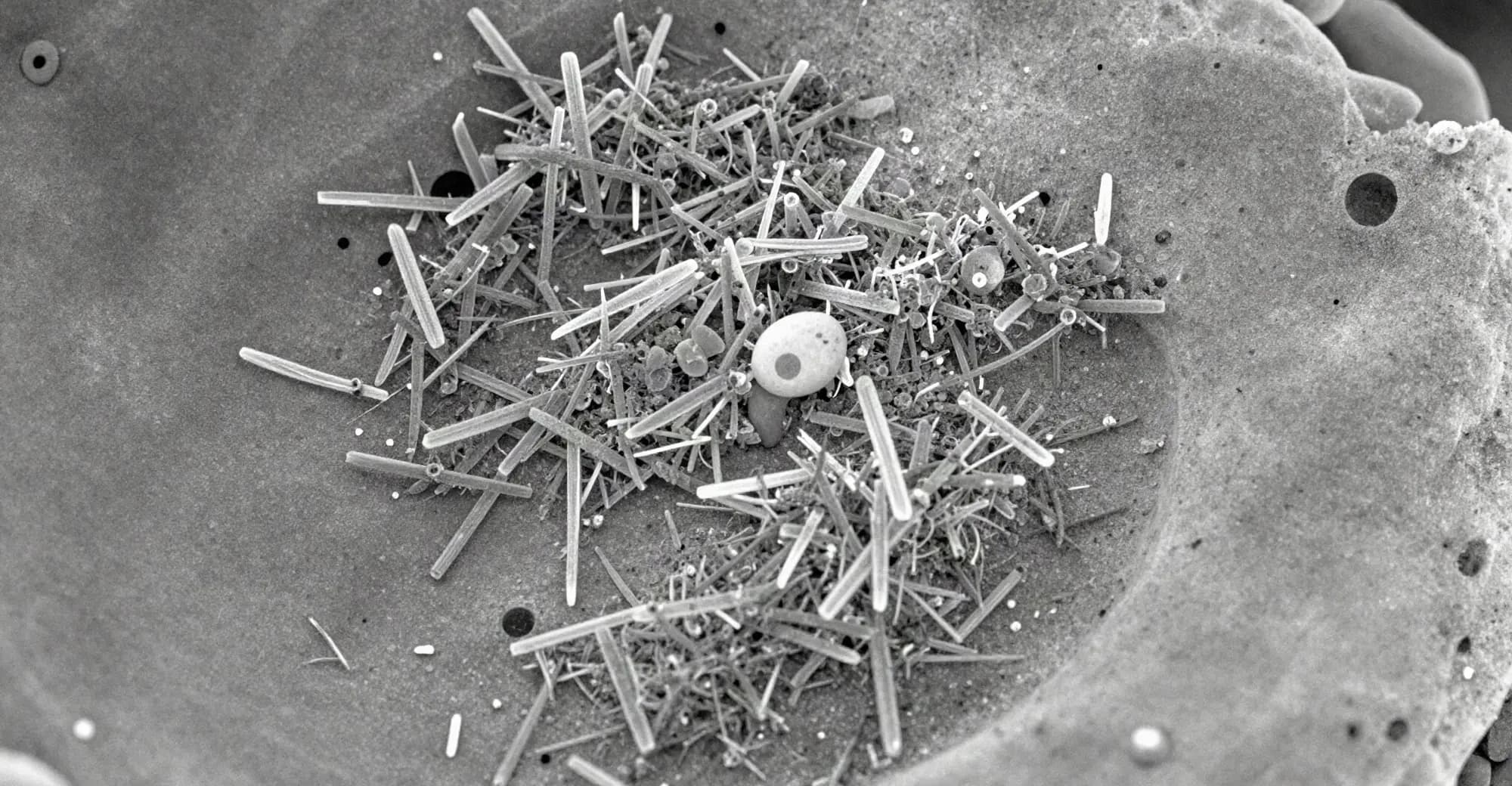
The presence of ions or modified phases can change stability, surface interaction and behavior across systems. Doping and functionalization should therefore be assessed within a specific technical project.
Conclusion
The best material is not necessarily the most bioactive or the most stable. It is the one that strikes the right balance between composition, structure, surface and intended application.
In bioceramics, performance is not an isolated property: it is the result of the balance between stability, reactivity and application context.