Composition, processing, surface and documentation are what turn a ceramic into a platform for technical evaluation.
A technical bioceramic is not defined by the name of the material alone. Hydroxyapatite, β-TCP, carbonated apatites, zirconia or hybrid systems can behave very differently depending on synthesis route, processing, particle size, crystallinity, surface and analytical documentation.
The most important question, then, is not only "which material should we use?" but "which material needs to be developed for this application?". That shift in perspective is essential in research, formulation, industrial evaluation and co-development projects.
The role of composition
Composition defines the chemical and mineral identity of the bioceramic. In calcium phosphates, the Ca/P ratio, the presence of secondary phases and possible ionic substitutions help interpret stability, reactivity and batch-to-batch consistency.
Processing and structure
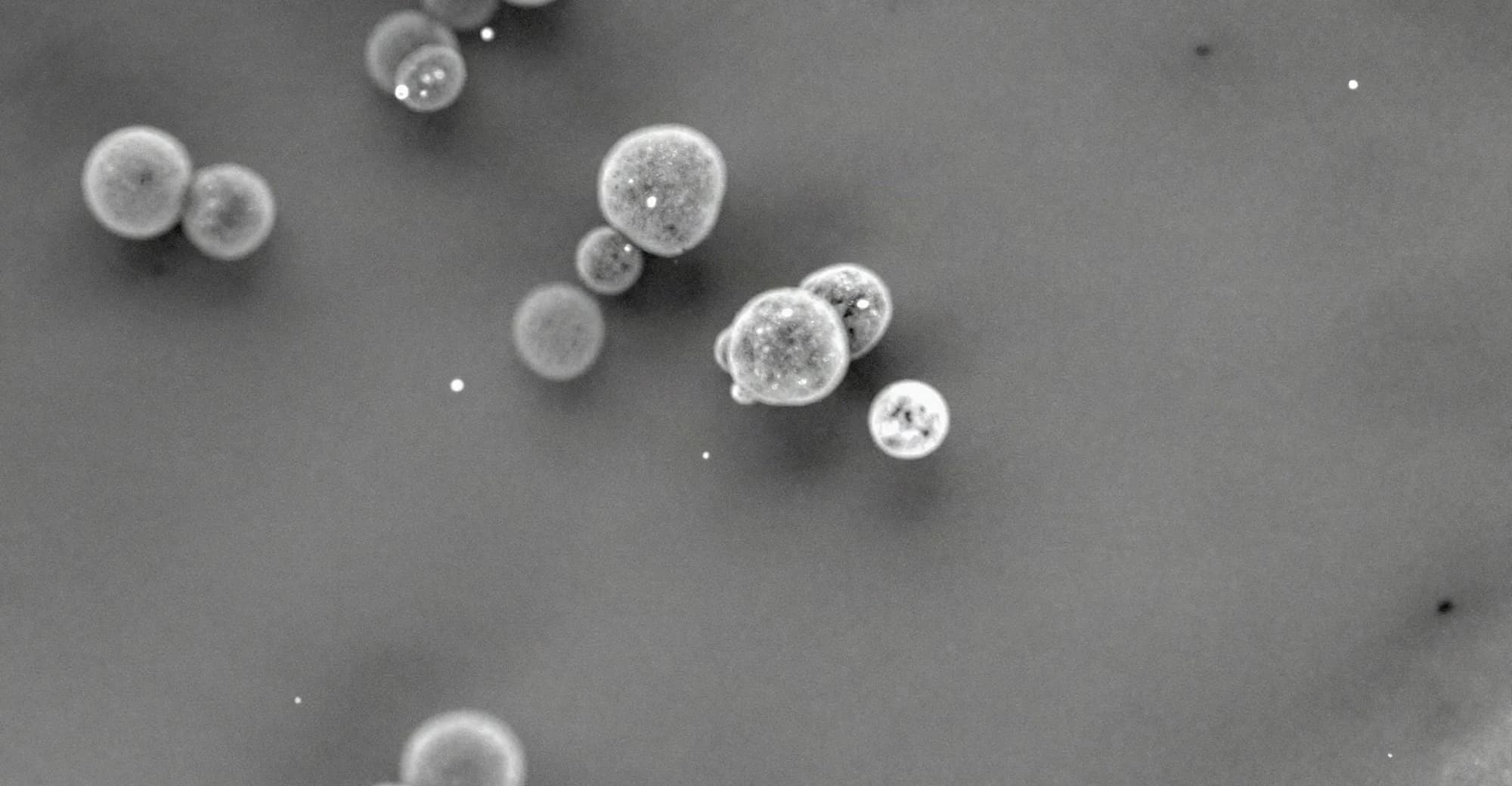
Thermal treatment, milling, sintering and phase control influence the crystallinity, morphology and behavior of the material. Two materials with the same nominal composition can perform differently once processed through distinct routes.
Surface and interaction
Surface area, topography, functionalization and surface charge influence interaction with matrices, solvents, polymers, actives or dispersed systems. Characterizing the surface is therefore as important as confirming the composition.
Technical documentation
A technical bioceramic should come with traceable information. Technical data sheets, safety data, certificates of origin, certificates of analysis and characterization summaries help partners evaluate the material with technical confidence.
A technical bioceramic is not merely a pure ceramic: it is a material that is characterized, documented and fit for the evaluation at hand.