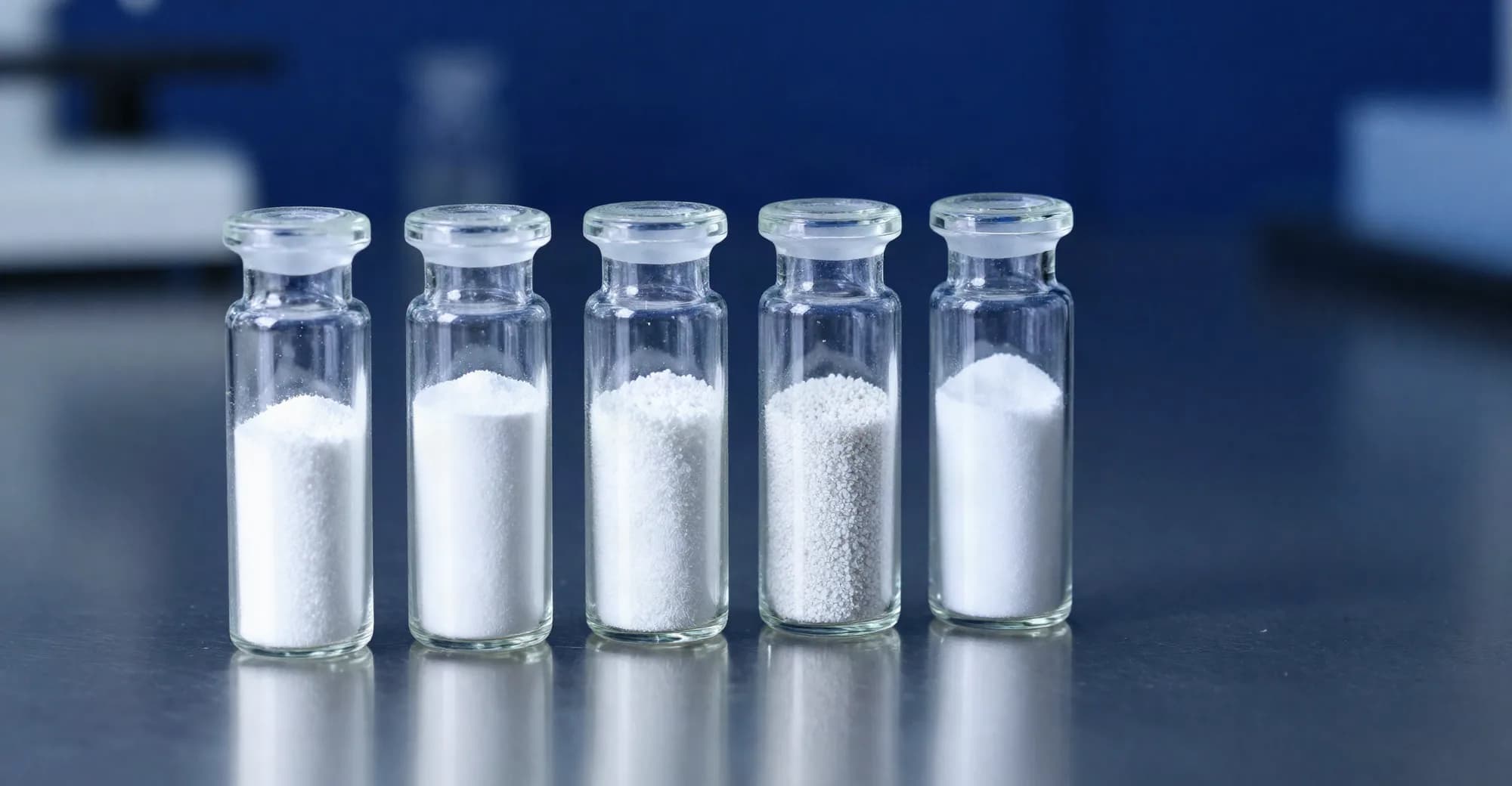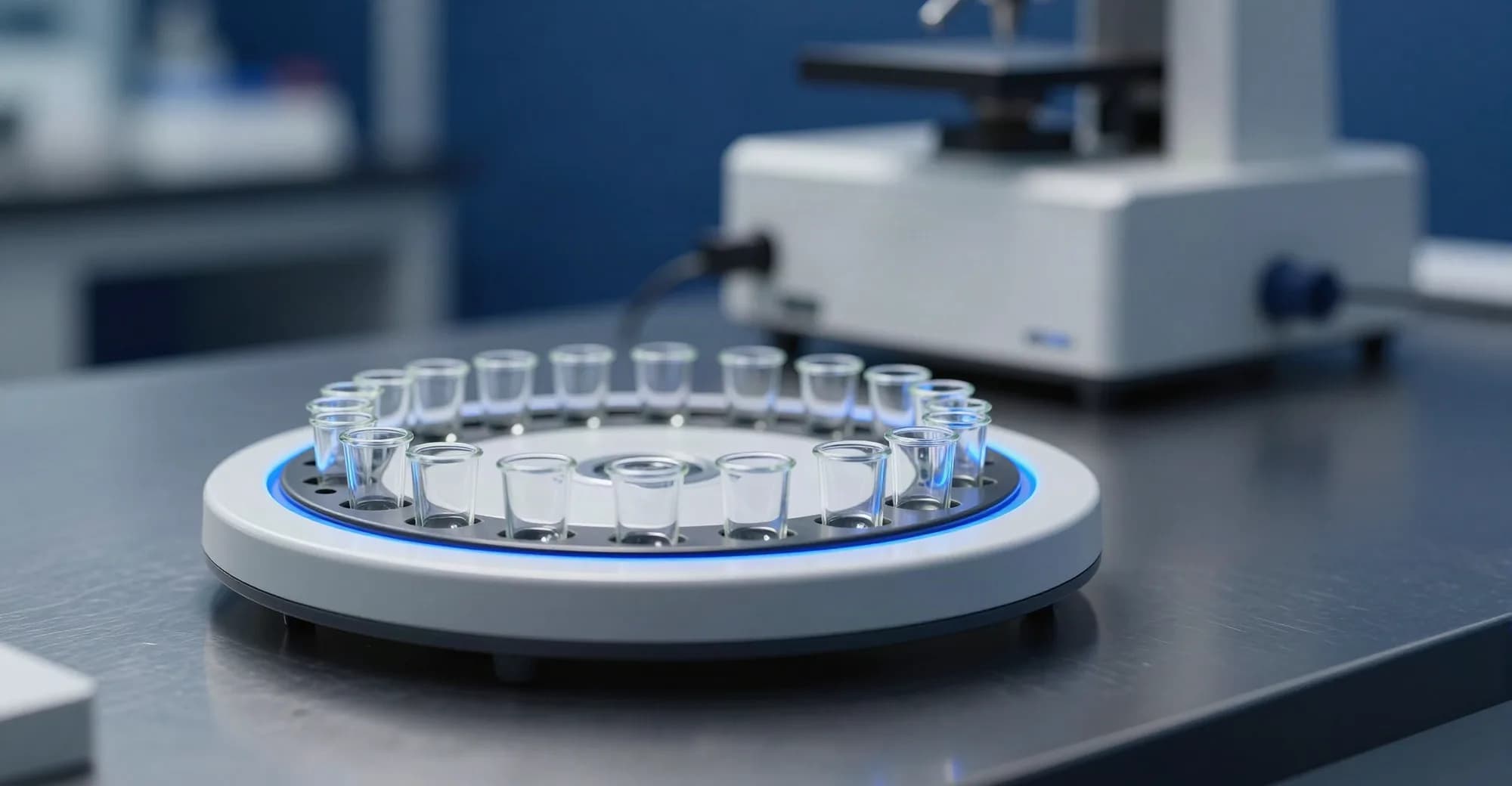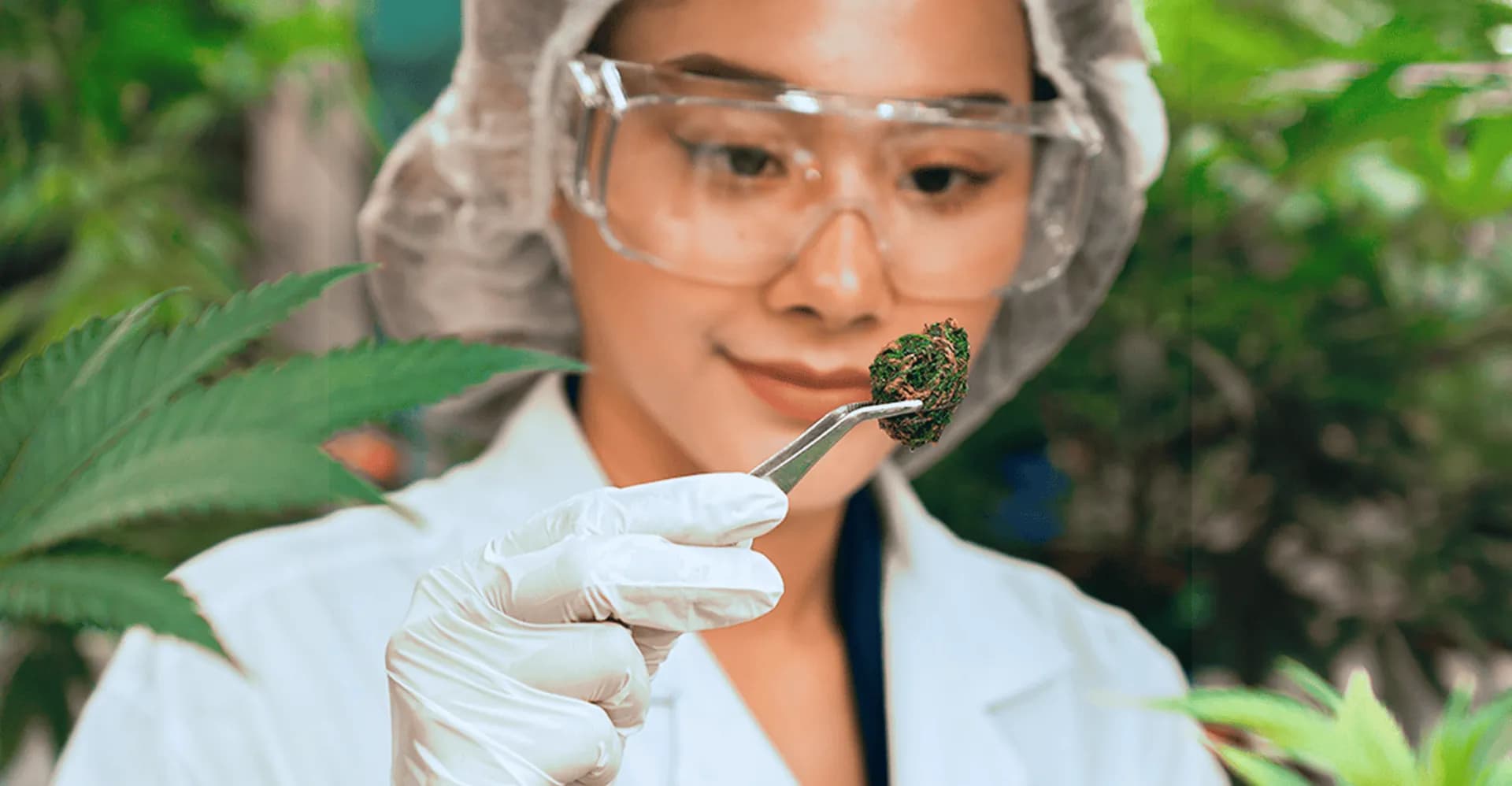
In cannabis-based products, knowing the composition is the first quality requirement.
Medical use of cannabis has gained ground in research and regulation in several countries, Brazil included. Cannabinoids, such as THC and CBD, and terpenes are the main groups of compounds under study. For industry, this creates a clear technical requirement: characterizing precisely what each product contains.
What research is investigating
Clinical and preclinical studies investigate the use of cannabinoids in conditions such as chronic pain, epilepsy, anxiety and sleep disorders. The strength of the evidence varies with the condition, the compound and the formulation, and any indication for use is a matter for health professionals, within each country's health regulations.
One hypothesis discussed in the literature is the so-called "entourage effect": the idea that cannabinoids and terpenes act together, modulating the plant's effects. It is still under investigation.
Terpenes
Terpenes are volatile compounds responsible for the characteristic aroma of many plants, cannabis included. Among the most common are:
- myrcene, one of the most abundant in many varieties;
- limonene, also found in citrus peel;
- linalool, common in lavender;
- pinene, found in conifers such as pine.
The biological properties attributed to these compounds are still being studied. The terpene profile, however, is already a relevant parameter for telling varieties apart and standardizing products.
Why characterize the terpene profile
Terpene profile analysis, usually performed by gas chromatography, makes it possible to:
- identify and quantify compounds, confirming the declared composition;
- standardize batches, reducing variation between production runs;
- support formulation development with a known composition.
Combined with other tests, such as screening for contaminants and residual solvents, it forms the analytical documentation required in regulated markets.
Industry challenges
The medical cannabis market faces complex, evolving legislation and a need for qualified information for health professionals. At the same time, the growth of regulated markets increases demand for reliable analytical methods and production traceability.
Frequently asked questions
What are terpenes?
Volatile compounds that define the aroma of many plants. In cannabis, the terpene profile helps distinguish varieties and standardize products.
How is the terpene profile analyzed?
Usually by gas chromatography, which separates, identifies and quantifies the volatile compounds in the sample.
Why does analytical characterization matter?
Because it confirms composition, reduces batch-to-batch variation and produces the documentation required in regulated markets.
Conclusion
In cannabis-based products, quality starts with a known composition. Physicochemical characterization is what turns a plant raw material into a documented, reproducible input.