A growing ecosystem, with clear bottlenecks in infrastructure, validation and access to funding.
Health biotechnology is going through a period of growth in Brazil, driven by technology-based companies, research investment and partnerships with public institutions. Unique biodiversity and a strong academic base give the country a relevant position in the field.
This overview draws on The Brazilian Healthcare Biotech Startups Guide, published by Sindusfarma in partnership with Biominas Brasil.
A growing sector
According to the report, Brazil has 90 mapped health biotech startups, 64% of them in the Southeast region. More than half (58%) work on therapies and diagnostics, areas that demand heavy investment in R&D, laboratory infrastructure and regulatory support.
This progress has been supported by:
- funding programs such as Finep, Embrapii and FAPESP;
- partnerships with universities and research institutes;
- demand for tailored solutions;
- incubators, technology parks and private investment.
Bottlenecks in scale and validation
Despite the growth, the sector faces recurring obstacles:
- technical and regulatory validation: many companies lack the structure to run safety and performance tests;
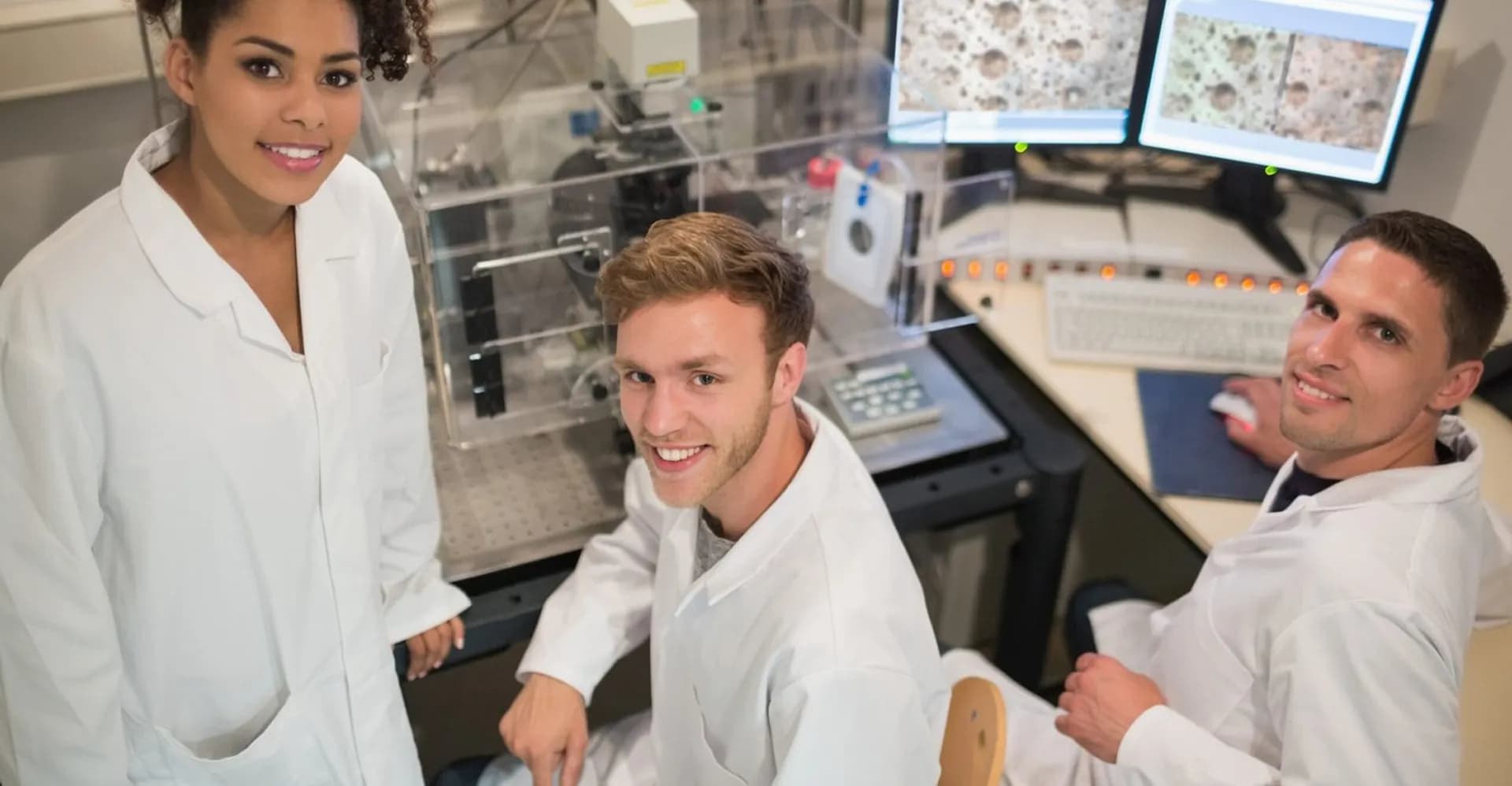
- R&D infrastructure: limited access to equipped laboratories and to services such as compound characterization and quality control;
- fundraising: funding is still concentrated in a few regions;
- market access: regulatory requirements and the lack of specific policies slow down the arrival of new technologies.
Rising areas
Some fields are expected to gain relevance in the coming years:
- cell and gene therapies, with tools such as CRISPR;
- bioinformatics and artificial intelligence applied to clinical and genomic data;
- next-generation vaccines based on messenger RNA;
- faster, more accessible molecular diagnostics;
- characterization of bioactive compounds, with a focus on herbal medicines and medical cannabis.
Cooperation across sectors
For the sector to reach its potential, cooperation between universities, research institutes, companies and government is decisive. Open innovation models and living labs bring those who generate knowledge closer to those who put it to use.
Triplet works at this interface: with its own laboratory, a strong academic base and experience in funded projects, it supports materials development, physicochemical characterization and the structuring of innovation projects such as those under PIPE FAPESP.
Conclusion
Brazil's health biotechnology ecosystem offers real opportunities, but consolidating its growth depends on technical and scientific infrastructure. Validation, characterization and cooperation across sectors are what turn a good hypothesis into applicable technology.
Source: The Brazilian Healthcare Biotech Startups Guide (Sindusfarma and Biominas Brasil).