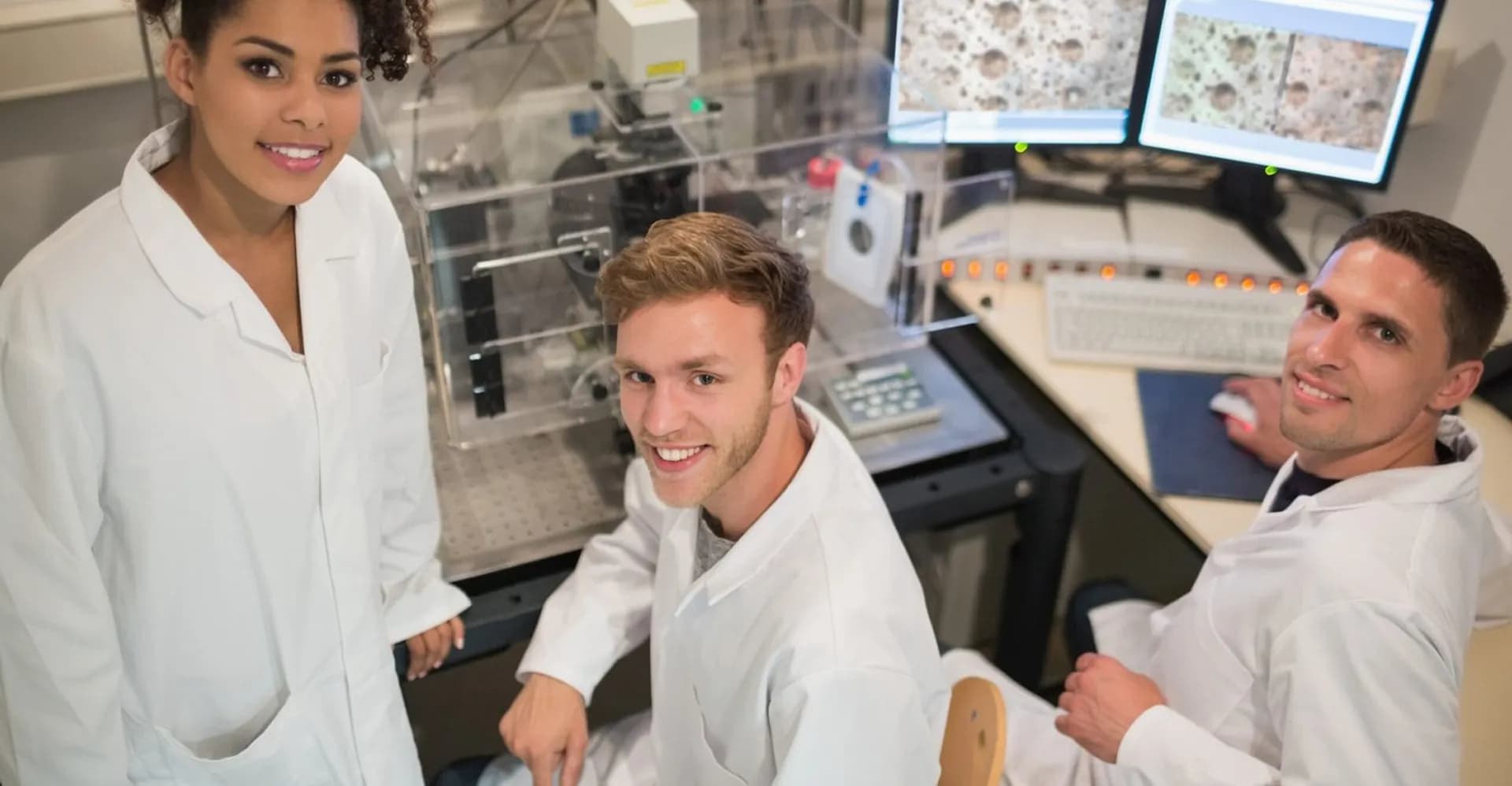
R&D projects call for a technical hypothesis, a schedule, evidence, documentation and a development strategy.
Innovation projects in advanced materials take more than a good idea. They have to turn a technical hypothesis into a work plan, methodology, schedule, budget, risks, deliverables and progress indicators.
Programs such as PIPE, and other funding calls, favor projects that combine a scientific basis, technological potential, experimental feasibility and clarity of application.
Defining the problem
The first step is to bound the technical problem. Which material will be developed? Which current limitation will be addressed? What evidence will demonstrate progress?
Experimental plan
The plan should set out the stages of synthesis, processing, characterization, comparative evaluation, documentation and decision criteria.
Technical risks
Materials projects carry risks: an unwanted phase, agglomeration, low reproducibility, matrix incompatibility or difficulty scaling. Anticipating these risks strengthens the project.
Deliverables
Samples, reports, analytical certificates, protocols, technical data sheets and characterization dossiers are important deliverables for demonstrating progress.
Conclusion
A well-structured innovation project connects science, engineering, documentation and application strategy.