How a material is made now matters as much as the properties it delivers.
Producing bioceramics requires command of chemical synthesis and heat treatment, but it does not stop there. Occupational safety, emission control and process traceability are part of the specification of a technical material, and they increasingly weigh on how users evaluate it.
The fine particulate challenge
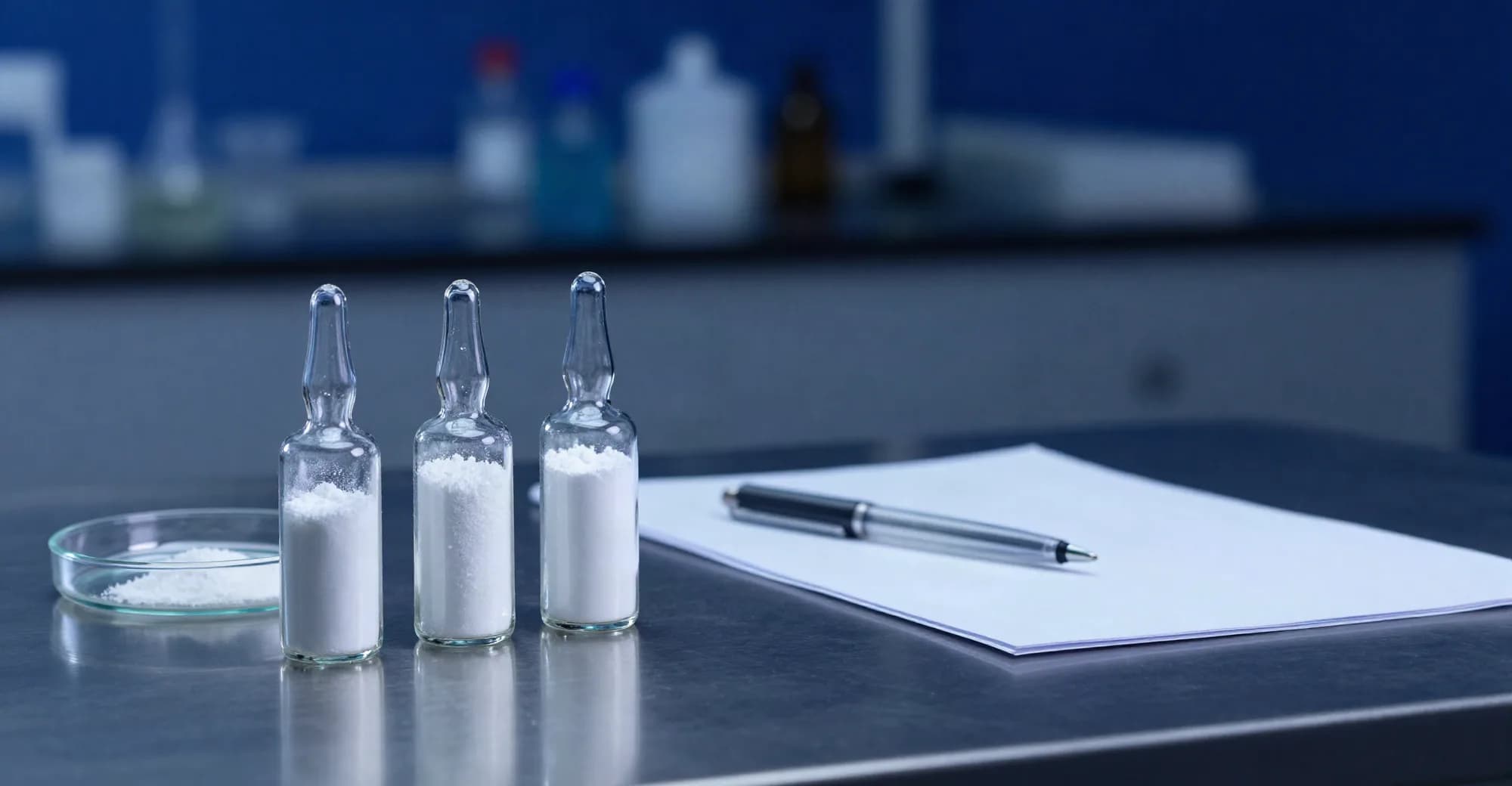
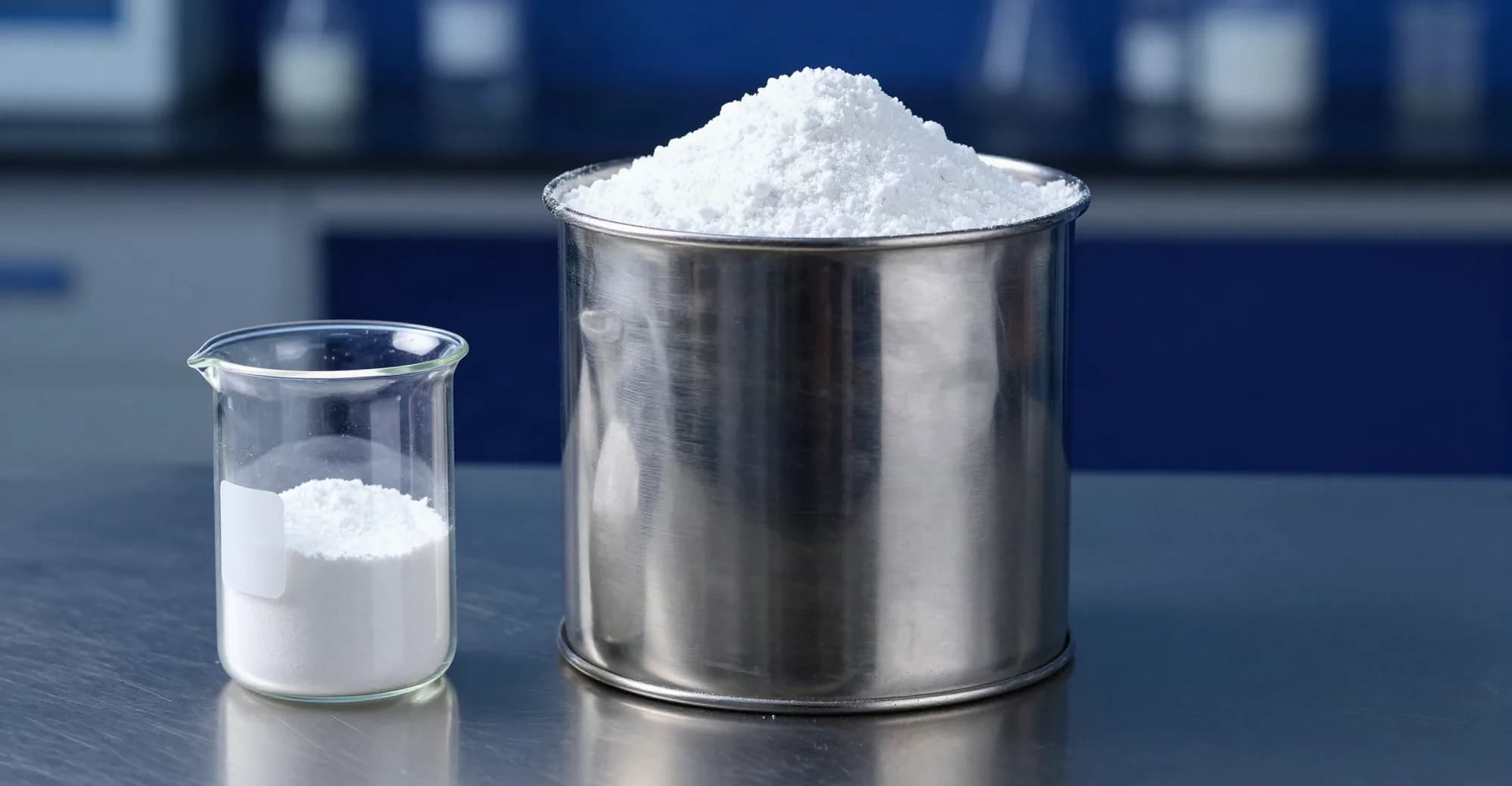
Materials such as synthetic hydroxyapatite go through stages that can generate fine particles:
- synthesis and drying;
- heat treatment in a muffle furnace;
- milling and particle size standardization;
- transfer and packaging.
Hydroxyapatite is known for its biocompatibility, but that does not remove the need for dust control. Micronized or ultrafine particles that are not properly managed carry a risk of chronic exposure, cross-contamination between batches and dispersion in the production area.
Control at the source
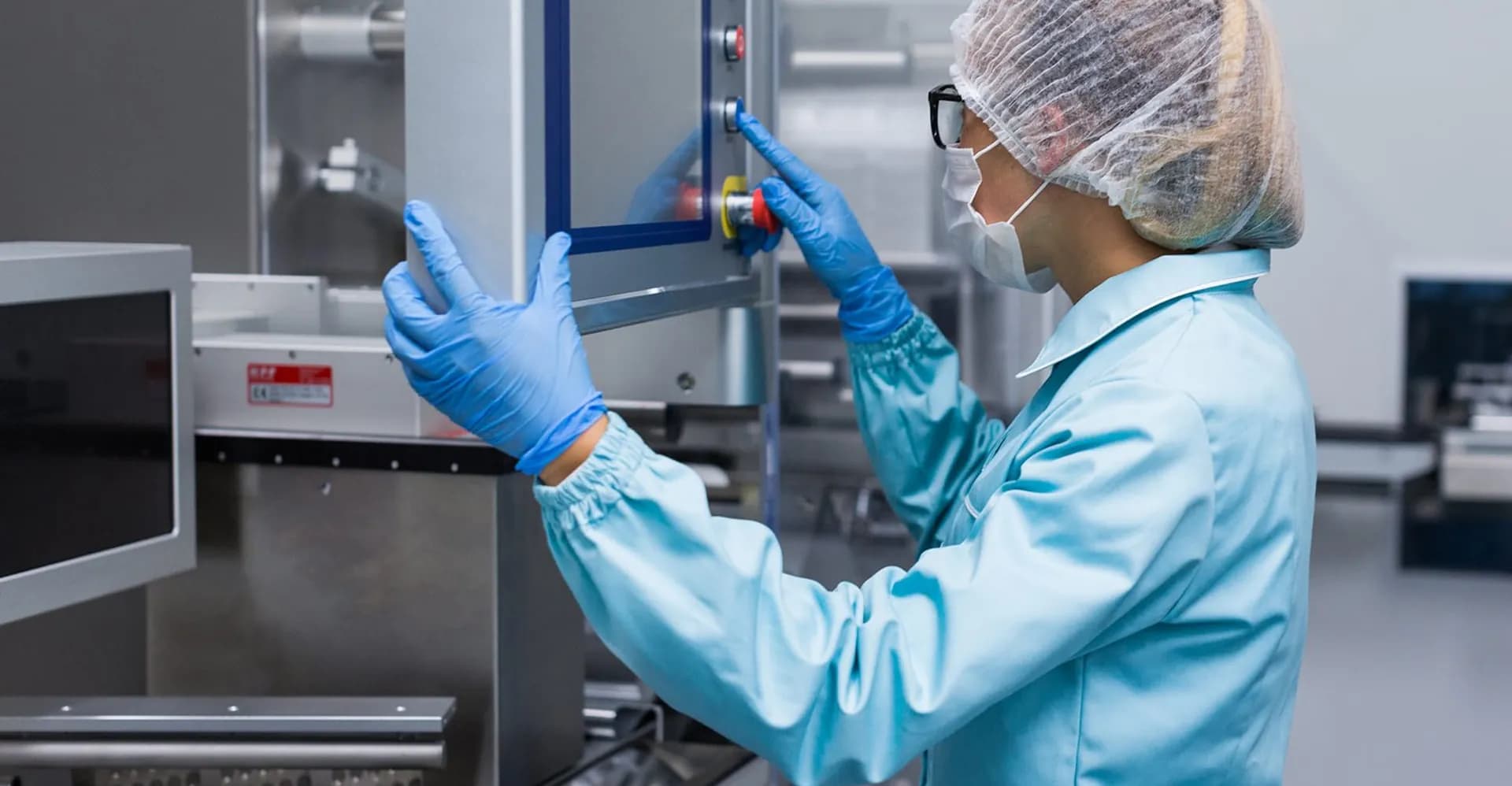
The hierarchy of risk controls puts process engineering ahead of personal protective equipment: the most effective protection is the one that acts where the risk originates. At Triplet, this takes five forms.
Powder handling in HEPA-filtered cabinets
Powdered bioceramics are handled in a dedicated cabinet with HEPA filtration, which reduces particle dispersion and protects both the operator and the environment.
Fume hoods
Technical areas have exhaust systems that reduce aerosolization and support localized containment of particles.
Filtered, climate-controlled rooms
Air conditioning uses high-efficiency filtration, which contributes to environmental stability and reduces suspended contaminants.
Heat treatment with a catalytic system
The muffle furnace used for calcination operates under strict thermal control with a catalytic system, reducing residual emissions.
Documented cleaning and disposal
Technical cleaning uses appropriate vacuum systems, and process waste is disposed of under a documented procedure, even when the volume is minimal.
Low impact by design
The process was designed to generate little effluent and little waste:
- low liquid effluent generation;
- controlled gas emissions;
- minimal, traceable solid waste;
- efficient use of inputs.
These measures complement operating procedures and the correct use of PPE; they do not replace them.
Why this matters when specifying a material
For anyone evaluating a biomaterials supplier, process traceability is part of trusting the material. Particulate control, emission management and documented procedures reduce the risk of cross-contamination between batches and support the technical documentation of every delivery — the same reasoning behind batch-to-batch reproducibility.
Conclusion
The next generation of biomaterials will be judged on their physicochemical and biological properties, and also on how they are produced. Particulate control and emission management stop being a differentiator and become a requirement from the very first batch.