Among calcium phosphates, the difference in behaviour is not in the element but in how the atoms are arranged. Two samples with the same nominal chemical composition can dissolve at quite different rates if the crystalline phase and the degree of crystallinity are not the same.
For a technical evaluation, this is the parameter that most often explains an unexpected result.
HA and β-TCP: two ends of stability
Hydroxyapatite is the stable phase of the system. In physiological media it shows a low dissolution rate and holds its structure over long periods. Beta tricalcium phosphate sits at the other end: it is considerably more soluble, and in some applications its dissolution is too fast for what is intended.
Neither is "better". They are different behaviours, and the choice depends on whether the material needs to persist or needs to dissolve — and at what pace.
Biphasic: the ratio as a design variable
This is why biphasic mixtures exist. An HA/β-TCP material combines the stable phase with the more soluble one, and the ratio between them becomes an adjustable parameter: compositions with different proportions show dissolution rates intermediate between the two extremes.
In practice this turns reactivity into something you specify rather than something you discover. The HA/β-TCP ratio goes into the report alongside phase purity, and it is what has to be reproducible between batches.
Phase is not an identity detail. It is the most direct control there is over how fast the material interacts with its medium.
Crystallinity: the second axis
Within a single phase, the degree of crystallinity moves solubility again. Highly crystalline apatites — typically sintered ones — are very poorly soluble. Poorly crystalline apatites show higher relative solubility, because the less defined atomic arrangement leaves more surface and more defects available to dissolution.
Phase and crystallinity are therefore two independent axes. Specifying only the phase leaves half the behaviour open — and the difference between two "identical" batches often lives here.
The medium decides too
The dissolution of a calcium phosphate ceramic depends on composition, on crystallinity and on the pH of the solution. The same powder evaluated in two different media produces two different curves, which makes the test condition part of the result: a dissolution figure without its declared medium is not comparable to any other.
How this is measured
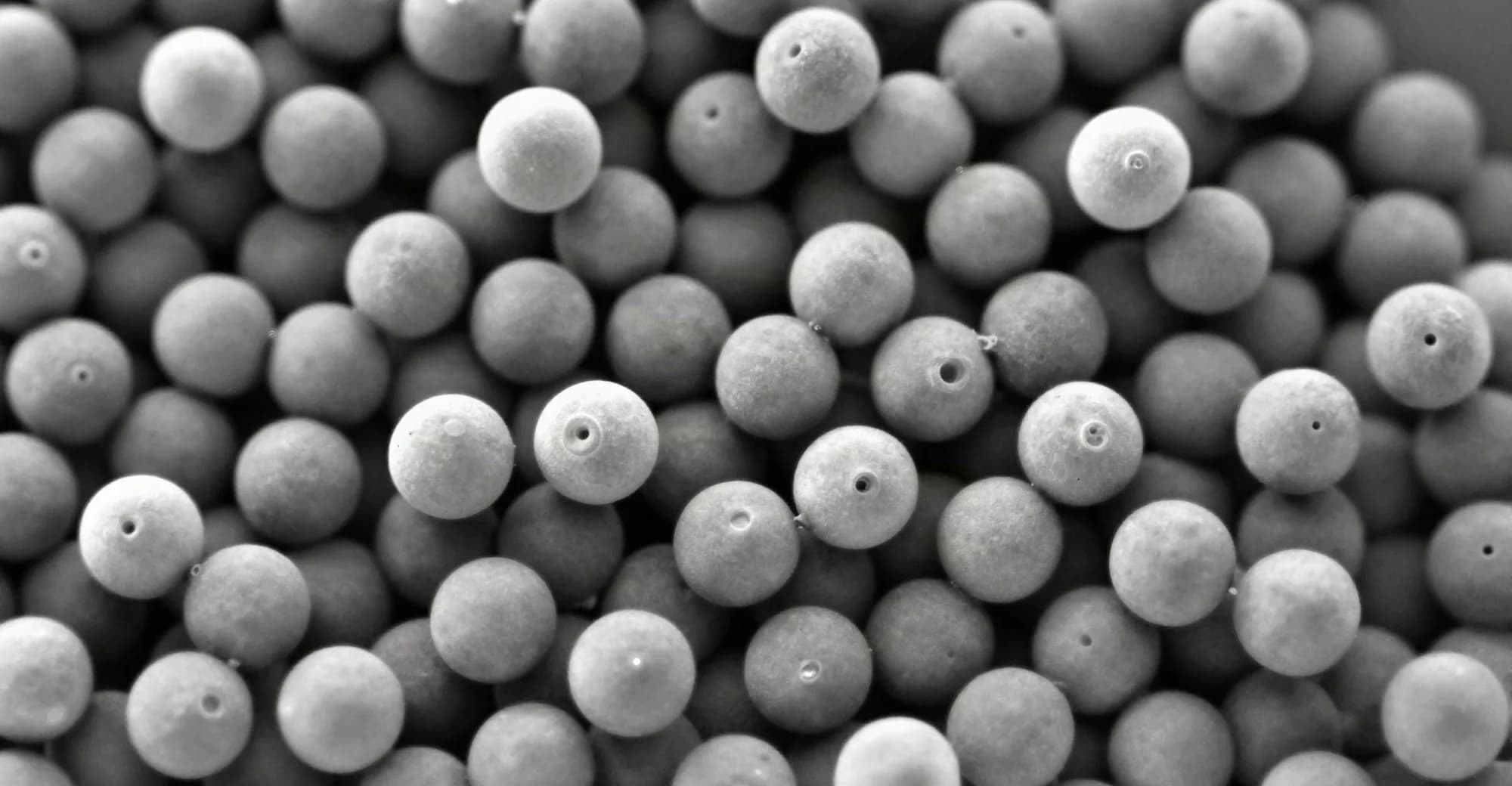
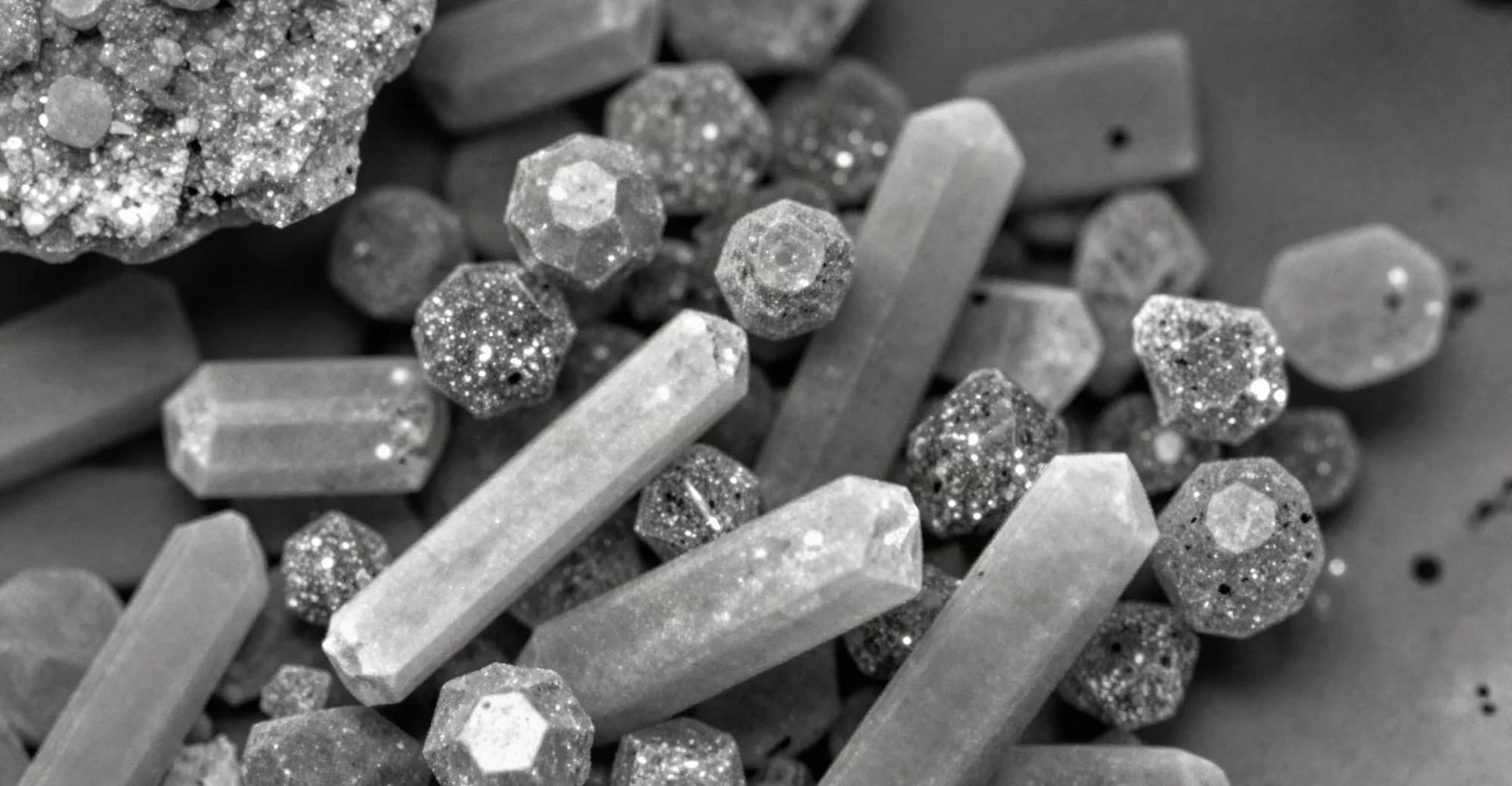
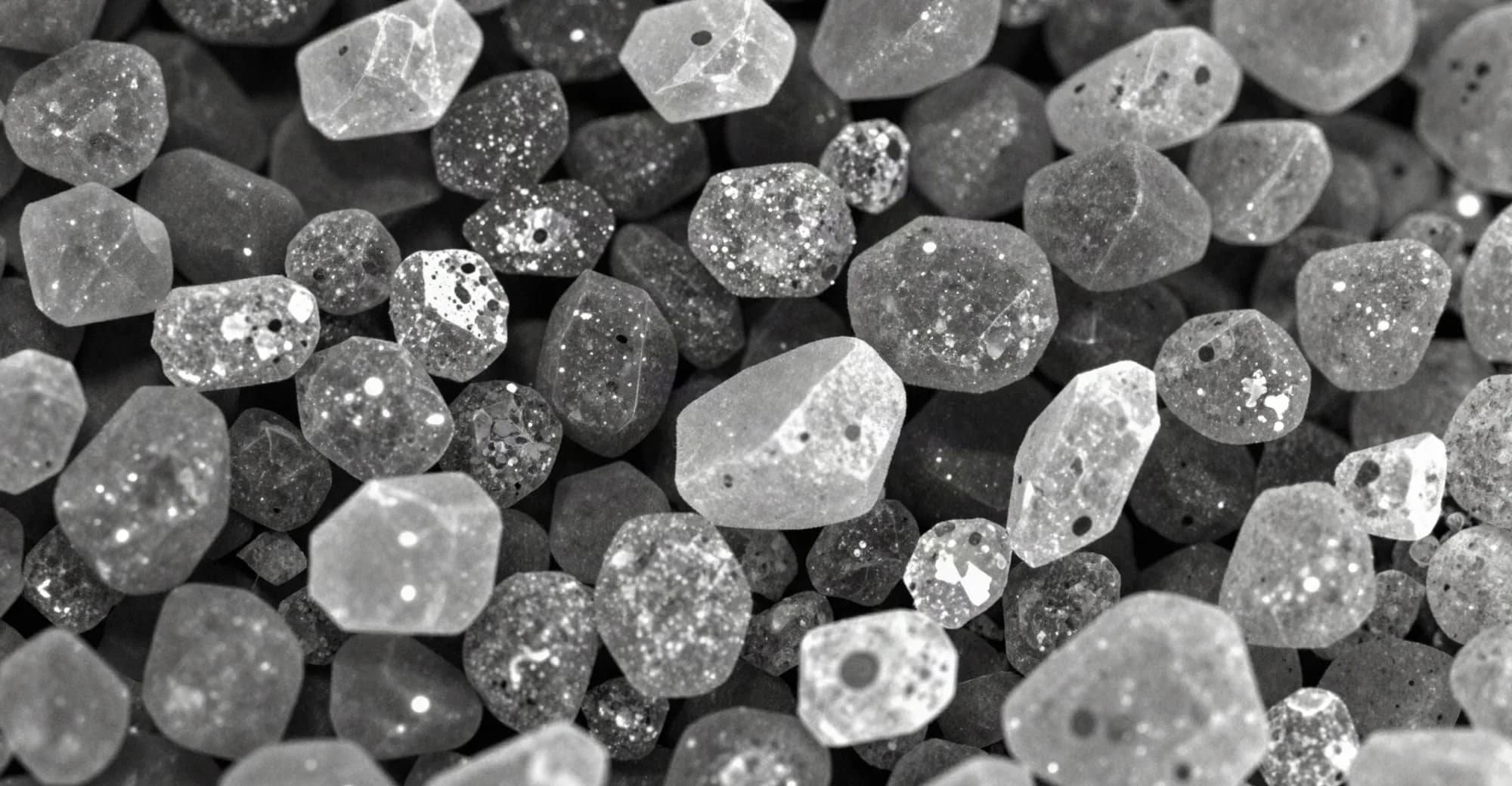
Quantification is by X-ray diffraction. ISO 13779-3 defines the protocol for phase purity, crystallinity ratio and Ca/P ratio, and it is the reference that makes two reports comparable. FTIR complements the reading of functional groups, and SEM shows the morphology that accompanies each phase.
At Triplet, phase and crystallinity are route variables, adjusted in synthesis and thermal treatment and verified by characterisation on every batch. That is what allows us to deliver not "hydroxyapatite", but a hydroxyapatite with the behaviour the application asks for.
References
- ISO 13779-3:2018 — Implants for surgery — Hydroxyapatite — Part 3: Chemical analysis and characterization of crystallinity ratio and phase purity
- ASTM F1185-23 — Standard Specification for Composition of Medical-Grade Hydroxylapatite for Surgical Implants
- Literature on the solubility and dissolution of calcium phosphates: comparisons between HA, β-TCP and biphasic ceramics in simulated physiological media